Why Do Cracks Appear in Buildings? (Causes Explained in Simple Engineering Terms):
When you build a house, you expect it to last for decades without problems. But after some time, you may notice thin lines or visible cracks on walls, slabs, or beams.
The first thought that comes to most people’s minds is:
“Is my building weak?”
Not always.
Cracks in buildings are very common, and they do not always mean structural failure. However, understanding why cracks appear is very important to know whether they are harmless or dangerous.
What Is a Crack in a Building?
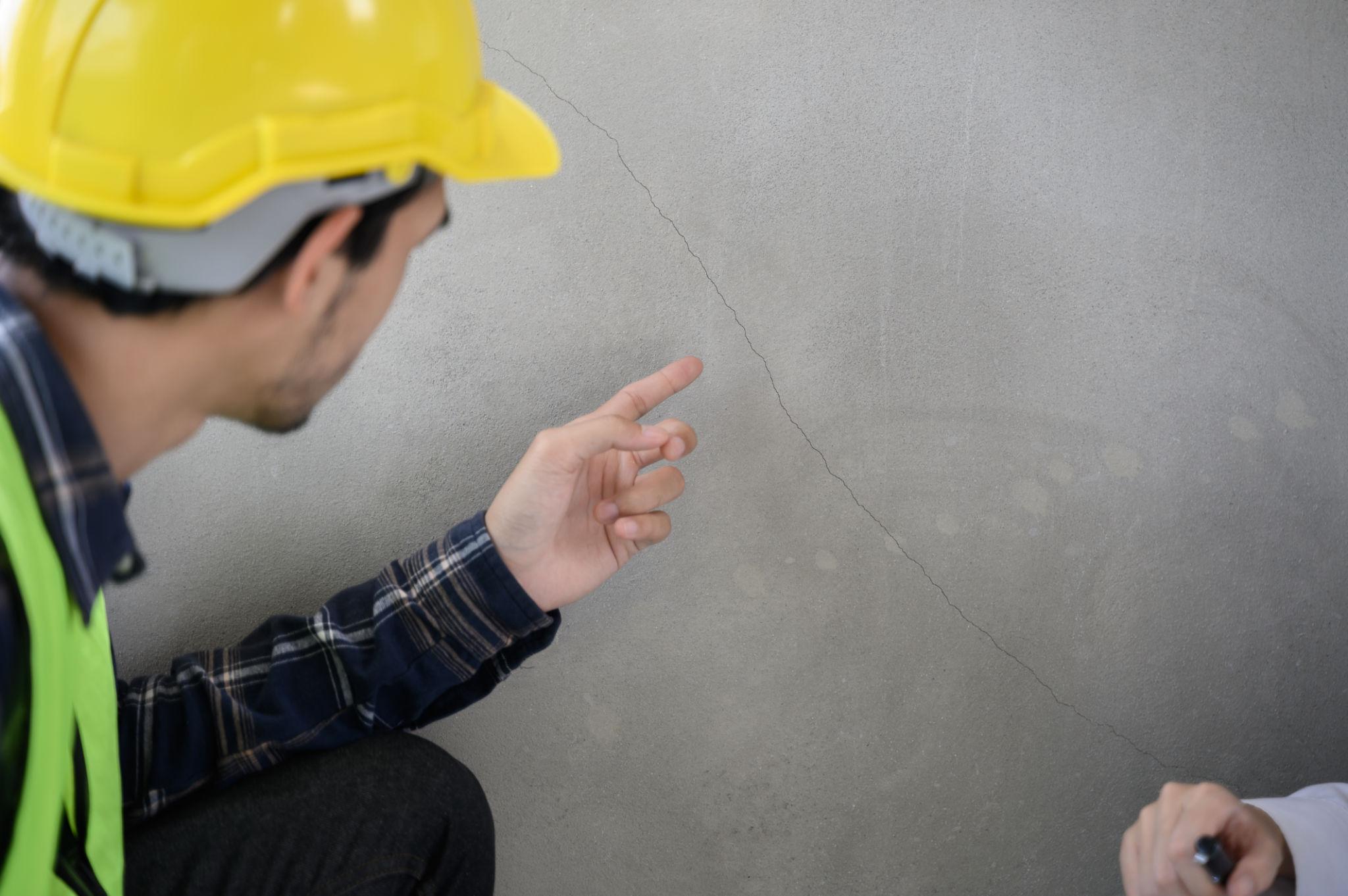
A crack is a visible fracture or separation in construction materials such as concrete, brick, or plaster.
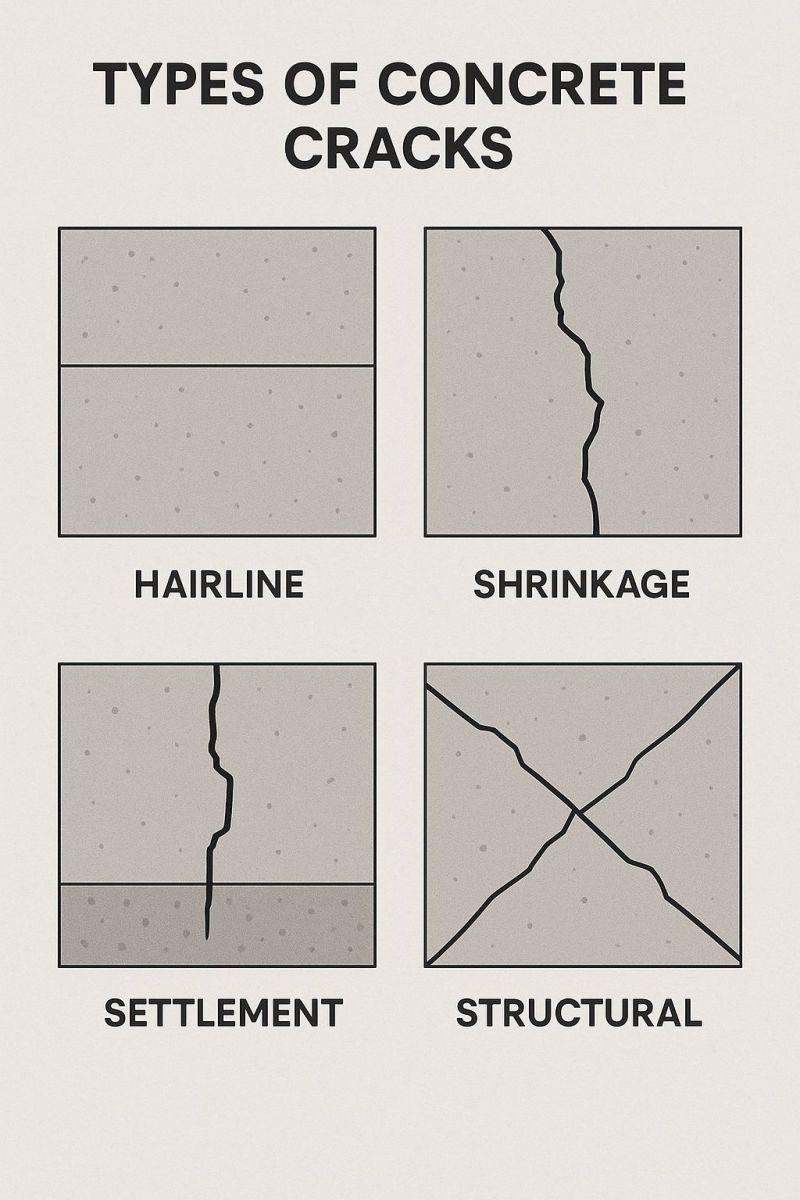
Cracks can be:
- Hairline (very thin and minor)
- Moderate surface cracks
- Structural cracks (serious and dangerous)
The importance of a crack depends on its width, pattern, depth, and location.
1. Shrinkage of Concrete and Plaster
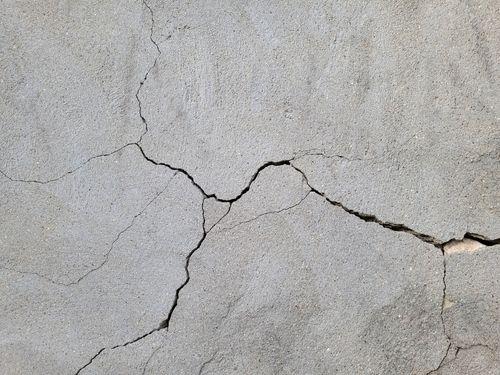
One of the most common reasons for cracks is shrinkage.
When concrete or plaster is placed, it contains water. As the water evaporates, the material slowly shrinks. If this shrinkage is restrained, small cracks appear on the surface.
These cracks are usually:
- Thin and shallow
- Non-structural
- Visible on walls and slabs
They are mostly harmless if they are only on the surface.
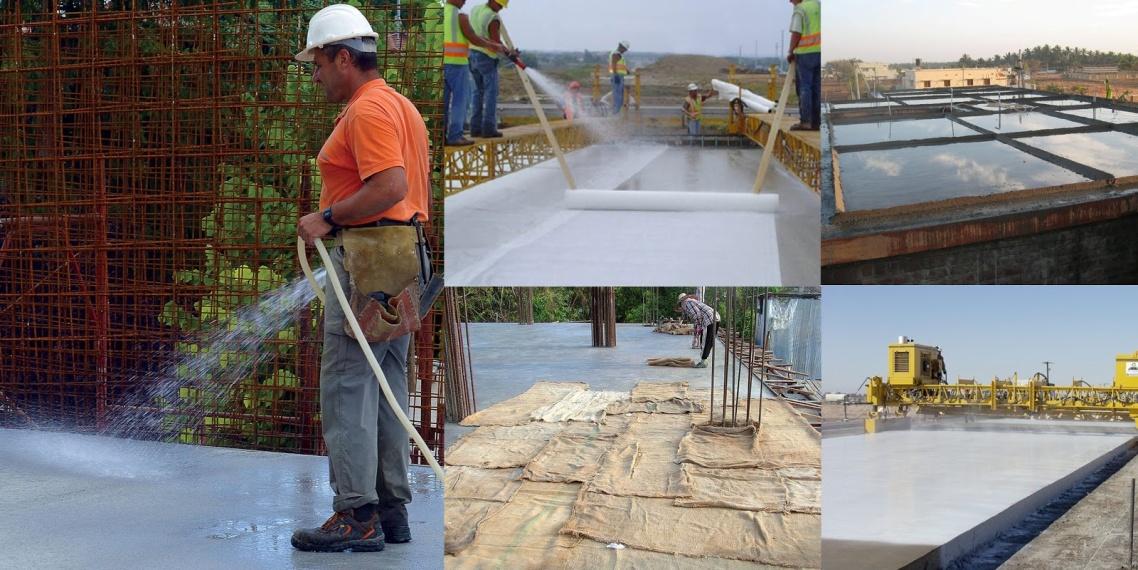
2. Improper Curing
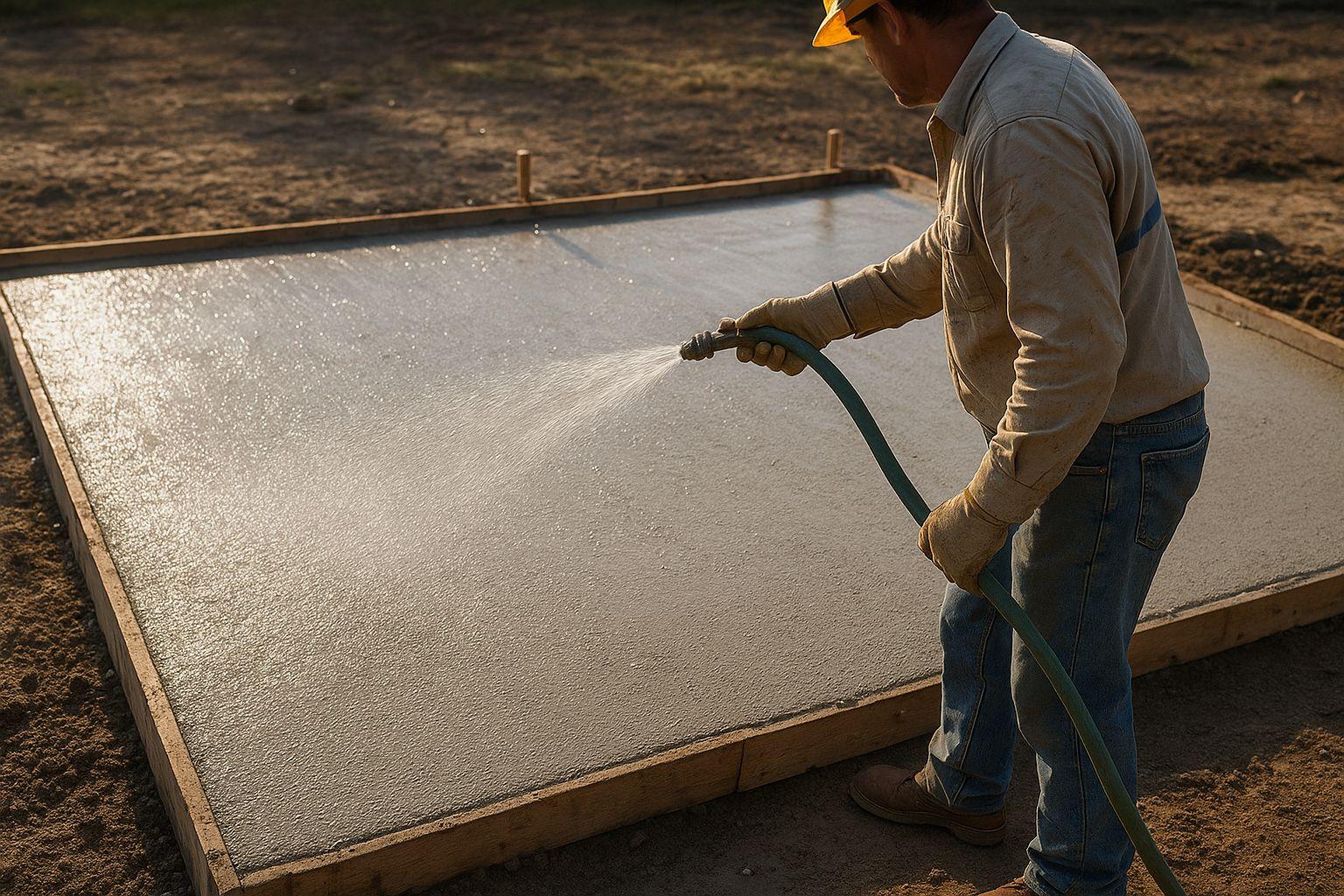
Curing is one of the most ignored steps in construction.
Concrete needs moisture to gain strength. If it dries too quickly due to poor curing, it develops cracks.
Poor curing leads to:
- Weak surface strength
- Early cracking
- Reduced durability
- Water seepage issues
Proper curing is essential for long-lasting concrete structures.
3. Foundation Settlement
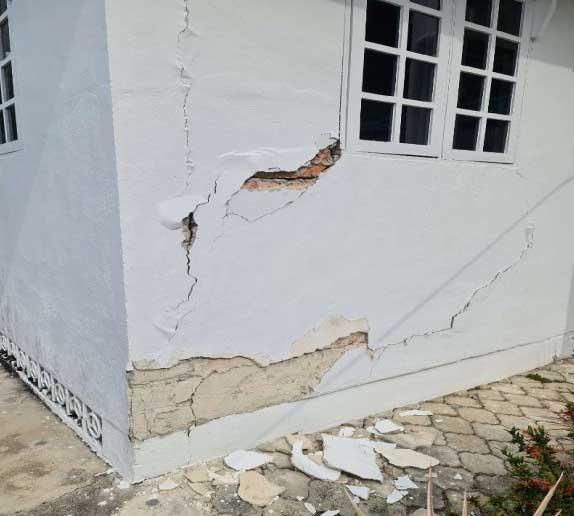
If the soil beneath a building does not support the load uniformly, the foundation may settle unevenly.
This is called differential settlement.
Common signs include:
- Diagonal cracks on walls
- Doors and windows not closing properly
- Cracks near beams and columns
These cracks are more serious and require engineering attention
 .
.
4. Temperature Changes
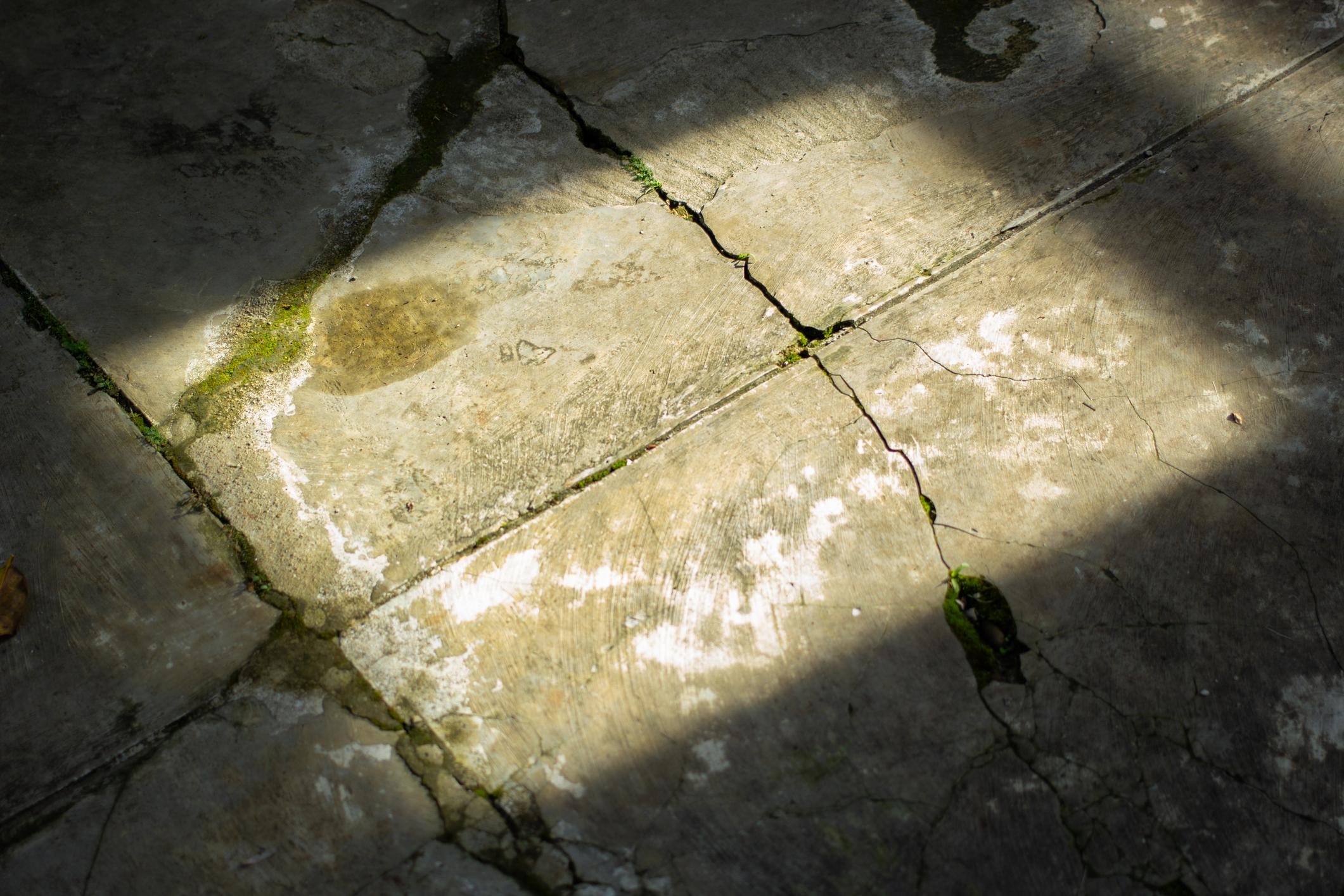
Building materials expand in heat and contract in cold conditions.
When this expansion and contraction repeats over time, stress develops inside the structure, leading to cracks.
This is common in:
- Roof slabs
- Boundary walls
- Large concrete surfaces
5. Overloading of Structure
Every building is designed for a specific load capacity.
However, problems arise when extra loads are added such as:
- Adding extra floors without design approval
- Placing heavy water tanks
- Installing heavy machinery or storage loads
This excess load can lead to structural cracks, especially in beams and columns.
6. Poor Construction Practices
Construction quality plays a major role in crack formation.
Common mistakes include:
- Incorrect concrete mix ratio
- Poor quality materials
- Inadequate reinforcement placement
- Lack of supervision
- Improper construction joints
These mistakes may not show immediate effects but lead to cracks over time.
Which Cracks Are Dangerous?
Not all cracks are harmful, but you should be careful if:
- Cracks are widening over time
- They appear diagonal in walls
- They are in beams or columns
- Water is leaking through cracks
- Cracks are deep and continuous
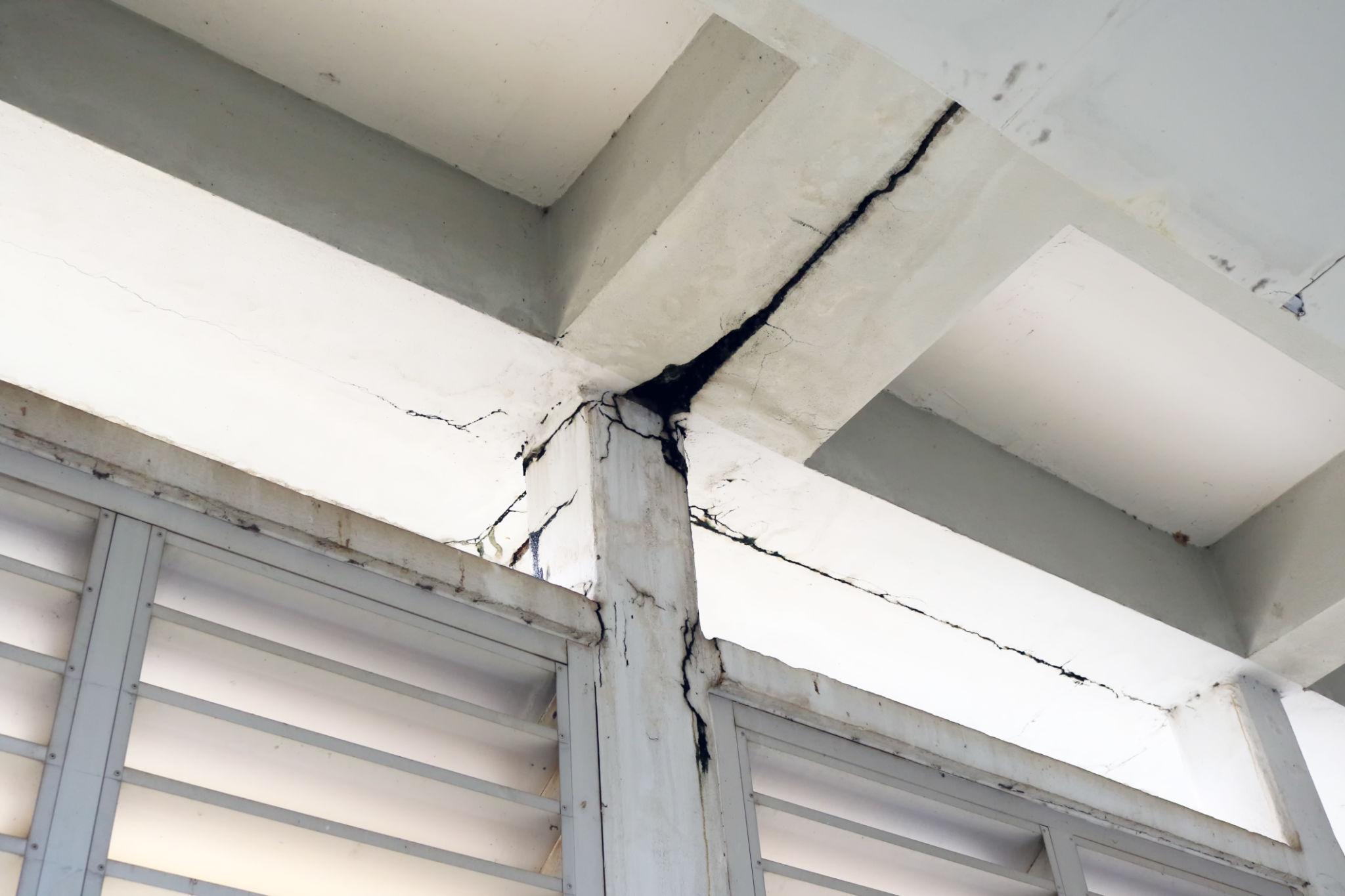
In such cases, structural inspection by a civil engineer is recommended.
How to Prevent Cracks in Buildings
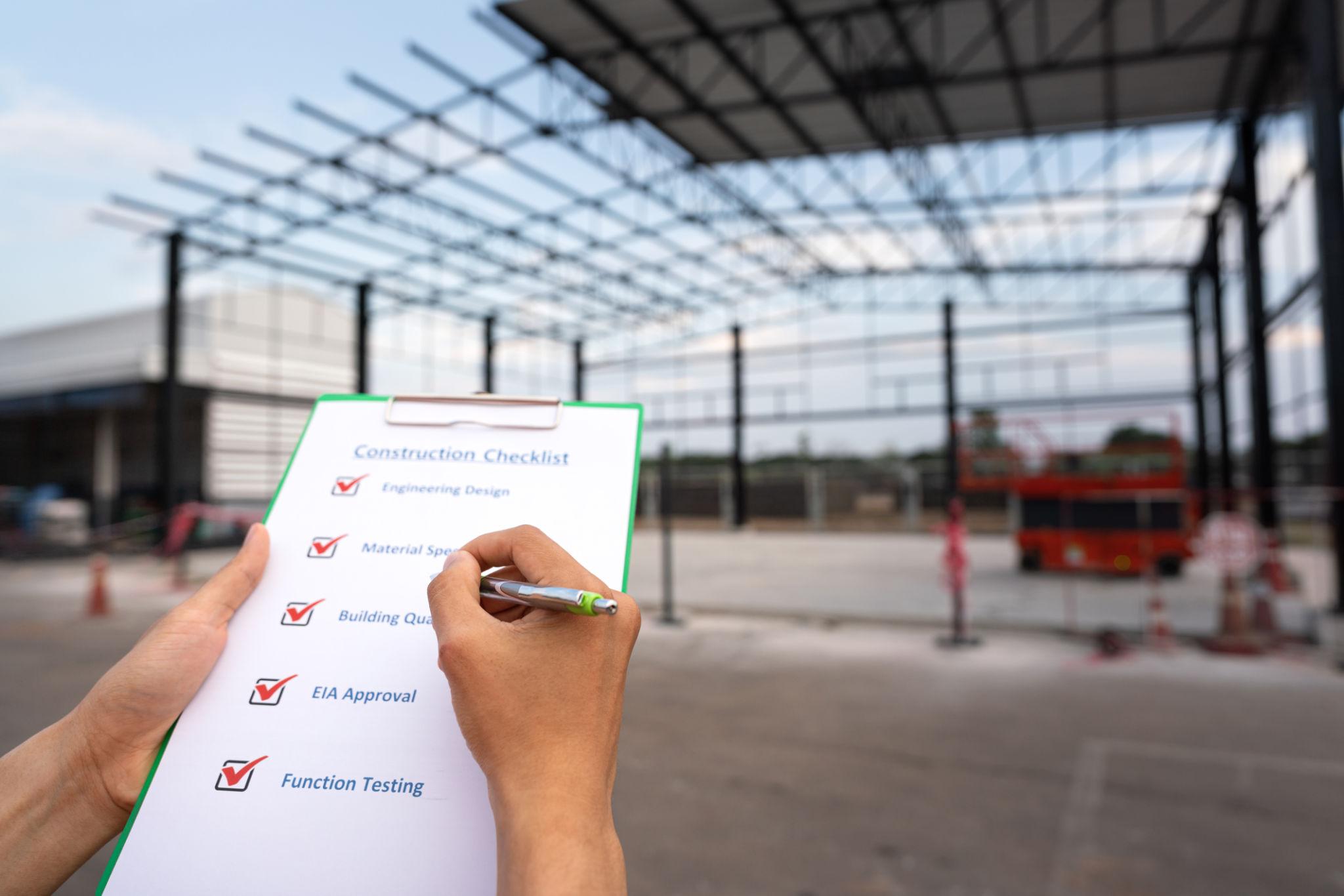
Cracks cannot be completely avoided, but they can be minimized:
- Proper soil testing before construction
- Correct structural design by engineers
- High-quality materials
- Proper concrete mix design
- Proper curing process
- Skilled workmanship and supervision
- Avoiding unauthorized modifications
Final Thoughts
Cracks in buildings are not always a sign of danger, but they should never be ignored.
Understanding the cause of cracks helps in deciding whether they are harmless surface issues or serious structural problems.
A well-designed and properly constructed building can significantly reduce crack formation and ensure long-term safety.
Homeplex Engineering Insight
At Homeplex, we focus on delivering safe, durable, and professionally engineered buildings through proper design, supervision, and quality control at every stage of construction.
Because a strong building starts with strong engineering decisions.